
- Home/
- Buy Clomid in Online Pharmacy – Fast Shipping in United States
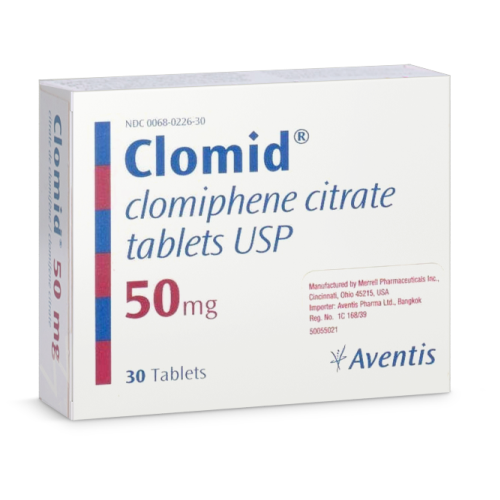
Clomid (clomiphene) is a prescription medication that helps certain women with infertility ovulate. In the United States, it’s often the first fertility drug many doctors recommend, but it isn’t right for everyone—success depends on the cause of infertility and careful timing. Before starting Clomid, it’s crucial to know both the benefits and the risks, and what to expect during treatment.
Is Clomid Right for You? The Real-World Decision
You sit across from your OB/GYN, a stack of calendars and lab results between you. Maybe you’ve been charting cycles for months, maybe years. The word “infertile” has started to feel less like a diagnosis and more like a sentence. Then Clomid comes up, and it sounds simple: a pill you take at home that might coax your body into ovulating. But is it really that simple?
In clinics across the United States, Clomid is often the first pharmacological step for women whose main problem is not ovulating regularly—especially those with polycystic ovary syndrome (PCOS) or unexplained ovulatory dysfunction. Yet the decision to start Clomid is rarely black and white. The medication is effective for many, but not all. Its success relies on correct diagnosis, careful monitoring, and realistic expectations.
- Clomid will not help if your fallopian tubes are blocked, or if your partner’s sperm count is very low. It is not a universal fertility fix.
- Clomid is most effective in women who don’t ovulate at all, or who ovulate irregularly. If you already ovulate monthly, using Clomid has not been shown to increase your chances of pregnancy significantly.
- Age, ovarian reserve, and underlying health conditions matter. Women over 35, or with diminished ovarian reserve, may need a different approach.
“Every patient hopes Clomid will be the answer. But the real question is: does it match your diagnosis? I’ve seen women frustrated after three cycles with no results, only to discover later that the root cause wasn’t ovulatory at all. That’s why we have to get the work-up right first.”
Clomid is not a commitment to a long-term medication. Most U.S. fertility specialists limit treatment to three or, at most, six cycles. If pregnancy doesn’t occur in that window, it’s time to move on to other options. In other words, Clomid is a short-term experiment, not a lifelong prescription.
How Clomid Works—Beyond the Brochure
The basic promise: Clomid tricks your brain into thinking estrogen levels are low, which nudges the pituitary gland to release more follicle-stimulating hormone (FSH) and luteinizing hormone (LH). For many women with ovulatory dysfunction, that’s enough to jump-start ovulation.
- Clomiphene
- A selective estrogen receptor modulator (SERM). By binding to estrogen receptors in the hypothalamus, clomiphene reduces normal estrogen feedback and increases FSH and LH secretion, driving the ovaries to develop and release an egg.
But here’s the nuance: Clomid doesn’t “make” eggs appear out of thin air. It only works if the ovaries contain eggs that can respond to stimulation. Women with diminished ovarian reserve (low egg count or poor egg quality) often see limited benefit, no matter how high the dose.
Why the gap? Ovulation is just step one. Sperm quality, tubal patency, uterine environment, and age all shape the outcome. Realistic expectations matter: for the right patient, Clomid increases the odds, but never guarantees a result.
Clomid in Context: Comparing Your Options
Standing at the pharmacy counter, prescription in hand, you might wonder: Why Clomid? Why not letrozole, or injectable gonadotropins, or just wait and see? The truth is, clinical guidelines, insurance policies, and practical experience all intersect here.
| Attribute | Clomid (Clomiphene) | Letrozole | Injectable Gonadotropins |
|---|---|---|---|
| Common Use | First-line for ovulation induction in PCOS or unexplained ovulatory dysfunction | Increasingly used as first-line, especially in PCOS | Typically second-line or for IVF; not oral |
| Mechanism | SERM, increases FSH/LH by blocking estrogen feedback | Aromatase inhibitor, lowers estrogen to boost FSH | Direct ovarian stimulation—FSH/LH hormones injected |
| Ovulation Rate | ~70-85% (in anovulatory patients) | ~75-85% (similar to or slightly higher than Clomid in PCOS) | ~90%+ |
| Pregnancy Rate (per cycle) | ~15% | ~15-20% | ~15-20% |
| Risk of Multiples | ~5-8% | ~3-4% | ~20% (higher-order multiples possible) |
| Common Side Effects | Hot flashes, mood swings, bloating, thin endometrial lining | Fatigue, dizziness, less effect on endometrial lining | Ovarian hyperstimulation, injection site reactions |
| Ease of Use | Oral, 5-day course | Oral, 5-day course | Daily injections, close monitoring |
| Cost (U.S.) | Low (usually $10-50 per cycle, generic) | Low (similar to Clomid, but may be higher in some pharmacies) | High (hundreds to thousands per cycle) |
| Insurance Coverage | Often covered; varies by plan | Coverage improving; check with insurer | Often not covered unless part of IVF |
| FDA Approval for Female Infertility | Yes | Off-label for infertility (approved for breast cancer) | Yes (specific products) |
| Prescription Status (U.S.) | Required | Required | Required |
In practice, Clomid is often tried first because it’s inexpensive, oral, widely available, and familiar to physicians and insurers alike. Letrozole has gained traction, especially in PCOS, but is not officially FDA-approved for ovulation induction—though clinical evidence supports its use. Injectable hormones are more potent but require monitoring, carry a higher risk of multiples, and are expensive out-of-pocket. Most women will only move to injectables if oral medications fail or are medically inappropriate.
How to Take Clomid with Confidence
Timing is everything. Clomid is not a medication you can take “whenever.” Your doctor will usually recommend starting the pills on Day 3, 4, or 5 of your menstrual cycle, for five consecutive days. But the details matter: the exact start day, dose, and monitoring plan can make or break your chances of success.
| Situation | Starting Dose | Max Dose | Start Day (Cycle) | Duration |
|---|---|---|---|---|
| Most Women with Anovulation (PCOS, etc.) | 50 mg daily | 150 mg daily | Day 3, 4, or 5 | 5 days |
| No Ovulation at 50 mg | Increase by 50 mg increments in next cycles | 150 mg daily (rarely 200 mg, with specialist supervision) | Day 3, 4, or 5 | 5 days |
| Normal Weight vs. BMI >30 | No standard adjustment, but some require higher dose | 150 mg daily | Day 3, 4, or 5 | 5 days |
| Renal or Liver Impairment | Clomid is generally avoided | — | — | — |
After finishing the course, ovulation typically occurs 5-10 days later. Some women use ovulation predictor kits, basal body temperature tracking, or ultrasound monitoring to pinpoint their fertile window. Blood tests or ultrasounds may be used in the first cycle to confirm ovulation and reduce the risk of ovarian overstimulation.
- Have the right work-up first. This means confirming your tubes are open (e.g., HSG test) and your partner’s sperm is adequate. Clomid won’t help if these are the real problems.
- Take the pills as directed—never more, never longer than prescribed. Doubling up on missed doses or extending the course does not increase effectiveness and raises risks.
- Monitor symptoms and keep your clinic informed. If you have severe abdominal pain, visual changes, or rapid weight gain, call your provider immediately.
Which Side Effects Matter Most with Clomid—and When to Act
Hot flashes, headaches, mood swings. Most women expect some discomfort with fertility drugs, but which symptoms should prompt a call to your doctor? Here’s what you need to know about Clomid’s real-world side effect profile.
- Hot flashes—Very common. Often transient, but can be intense.
- Abdominal discomfort and bloating—May signal ovarian response. Mild cramping is expected; severe pain is not.
- Mood swings, irritability, or insomnia—Reported by up to one-third of women. Usually manageable, but disruptive for some.
- Breast tenderness—Mild, short-lived.
- Nausea or headaches—Not uncommon, but usually mild.
The most concerning risks, though rare, are ovarian hyperstimulation syndrome (OHSS), vision changes (blurred or spots), and ovarian cysts. OHSS is much less common with Clomid than with injectable fertility drugs, but it can be serious. Visual symptoms require immediate medical attention—Clomid should be stopped and not restarted if these occur.
| Side Effect | How Common? | When to Call a Doctor |
|---|---|---|
| Hot flashes | ~20-30% | If severe or disabling |
| Abdominal pain/bloating | ~10-20% | If severe, sudden, or with shortness of breath (possible OHSS) |
| Mood swings/irritability | ~15-30% | If affecting daily function or leading to depression/anxiety |
| Vision changes | <2% | Immediately—stop Clomid and report to your provider |
| Ovarian cysts | ~5-10% | If severe pain, rapid swelling, or fever |
| Ovarian hyperstimulation syndrome (OHSS) | <1% (rare with Clomid) | Rapid weight gain, severe bloating, shortness of breath—seek care promptly |
Long-term risks, such as ovarian cancer, have been studied. Most evidence suggests that if Clomid is used for a limited number of cycles (up to six), there is no clear increased risk, but this question is not entirely settled (National Cancer Institute).
When Not to Take Clomid: Warnings That Are Non-Negotiable
Absolute Contraindications—Do Not Take Clomid If:
- You are already pregnant. Clomid must never be used in pregnancy.
- You have uncontrolled thyroid or adrenal disease. These conditions must be stabilized first.
- You have liver disease or a history of liver dysfunction. Clomid is metabolized by the liver and can worsen existing problems.
- You have undiagnosed abnormal uterine bleeding. The cause must be determined before starting.
- You have a known ovarian cyst (not due to PCOS). Cysts may enlarge or rupture with Clomid.
- You are allergic to clomiphene or any of its excipients.
Relative Contraindications—Use with Caution or Specialist Guidance:
- History of visual disturbances with Clomid. Use is generally not recommended after visual side effects.
- Polycystic ovary syndrome with very enlarged ovaries. Provider should monitor closely, as OHSS risk is elevated.
- Severe hypertriglyceridemia or risk factors for blood clots. Clomid can raise triglycerides and may increase clot risk.
In any of the above situations, alternatives should be discussed with your physician. Never start Clomid without a full evaluation—misuse can delay diagnosis of other conditions or cause harm.
Accessing Clomid in the United States: Logistics and Costs
Clomid is a prescription-only medication in the United States, regulated by the FDA. It cannot be purchased over-the-counter, online without a prescription, or through non-pharmacy channels legally. Most prescriptions are written by OB/GYNs, reproductive endocrinologists, or, occasionally, primary care providers with fertility experience.
- Retail pharmacies: Most major pharmacy chains stock generic clomiphene, and it is widely available. Some smaller or rural pharmacies may require a day or two to order it.
- Mail-order pharmacies: Many insurance plans offer mail delivery, which can be convenient for ongoing cycles but may require advance planning.
- Specialized fertility clinics: Some clinics dispense Clomid directly to patients on-site, streamlining access and monitoring.
Cost varies by location, insurance coverage, and whether you use brand-name Clomid or generic clomiphene citrate. Most patients in the U.S. use the generic form, which can cost between $10 and $50 per cycle without insurance (sometimes less via discount programs). Brand-name Clomid is far more expensive, but rarely prescribed.
The FDA does not allow direct-to-consumer advertising of prescription drugs for infertility treatment in the same way as other medications. Be wary of online pharmacies offering clomiphene without a prescription—this is illegal and potentially dangerous in the United States.
FAQ: Clomid in the United States
- How soon will I know if Clomid is working for me?
- Most women who will respond to Clomid will ovulate in the first or second cycle. If you do not ovulate after increasing to the maximum recommended dose, further cycles are unlikely to help. Ovulation can be tracked with blood tests, ultrasounds, or ovulation predictor kits.
- Does Clomid increase my risk of twins or higher-order multiples?
- Clomid does increase the chance of having twins—about 5-8% of pregnancies—compared to 1-2% in the general population. The risk of triplets or more is much lower, but it is not zero. Your doctor will monitor your response to reduce these risks.
- Will my insurance cover Clomid and the associated fertility monitoring?
- Coverage varies widely by state and plan. Some insurance will cover the medication but not office visits or monitoring; others may require specific documentation. Check with your insurer for the details of your policy.
- What happens if I miss a dose of Clomid?
- Do not double up on doses or extend the cycle. Contact your clinic for advice, as missing a dose can affect timing. In most cases, you may need to wait until your next cycle to restart.
- Are there any long-term risks of using Clomid repeatedly?
- Short-term use (3–6 cycles) appears safe for most women. Extended use beyond this has not been shown to improve pregnancy rates and may increase risks, but there is no clear evidence that brief use increases long-term health problems.
- Why would my doctor recommend letrozole instead of Clomid?
- Recent studies suggest letrozole may be slightly more effective for women with PCOS, with a lower risk of multiple pregnancy. However, it is used off-label for infertility in the United States. Your physician will tailor the choice to your diagnosis and history.
- Can I buy Clomid online without a prescription?
- No. In the United States, Clomid requires a valid prescription. Buying it online without one is illegal and dangerous—counterfeit medications are a real risk. Always use a licensed U.S. pharmacy.
- If my first Clomid cycle fails, what’s next?
- Your doctor may increase the dose for the next cycle if you did not ovulate, or consider switching to another medication if you do not respond after three cycles. If you ovulate but do not become pregnant after several cycles, further work-up and possibly different treatments are usually recommended.
References
- U.S. Food and Drug Administration (FDA)
- Practice Committee of the American Society for Reproductive Medicine. “Use of clomiphene citrate in the treatment of infertility in women: a committee opinion.” Fertility and Sterility, 2013.
- Fertility drugs for women: Clomiphene citrate. Mayo Clinic.
- Reproductive history and cancer risk. National Cancer Institute.
- FAQ: Infertility. American College of Obstetricians and Gynecologists (ACOG).
- Clomiphene Citrate Prescribing Information. Sanofi-Aventis U.S. LLC.
- Infertility. Centers for Disease Control and Prevention (CDC).
- PubMed