
- Home/
- Buy Priligy Without Prescription in the United States Online
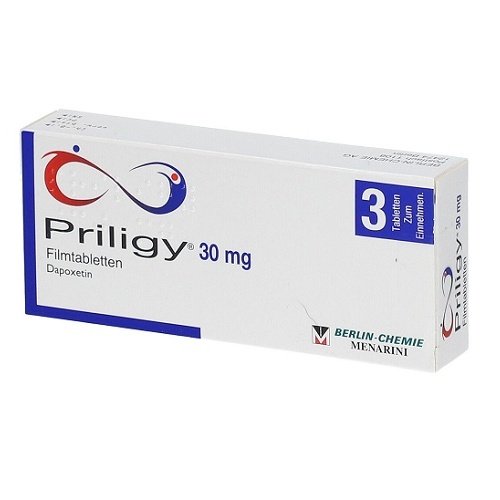
Can Priligy (Dapoxetine) Be Obtained Without a Prescription in the United States?
No, Priligy (dapoxetine) cannot be obtained without a prescription in the United States. It requires a valid prescription from a licensed healthcare provider. Purchasing dapoxetine or Priligy through unauthorized channels may be illegal and poses significant health risks.
Key Takeaways: What You Need to Know About Priligy in the U.S.
- Priligy (dapoxetine) is a prescription-only medication in the United States for men with diagnosed premature ejaculation.
- It is most suitable for adult men who consistently experience ejaculation within one to two minutes of penetration and have significant distress as a result.
- Expected results typically occur within the first dose, but the medication is intended for use as needed before sexual activity, not for daily use.
- The most important safety consideration is the risk of sudden fainting (syncope) and interactions with other medications.
- Discuss all existing health conditions and medications with your physician before starting Priligy.
- Seek immediate medical attention if you experience severe side effects or signs of an allergic reaction.
What Is Priligy (Dapoxetine), and Who Is It For?
Priligy is the brand name for dapoxetine, a short-acting selective serotonin reuptake inhibitor (SSRI) specifically developed for the treatment of premature ejaculation in adult men. Unlike antidepressant SSRIs, dapoxetine is designed for rapid absorption and elimination, allowing it to be used on demand before sexual activity. In the United States, dapoxetine is not currently FDA-approved, but it is often prescribed off-label by urologists and sexual medicine specialists for men who meet clinical criteria for premature ejaculation, as defined by the International Society for Sexual Medicine.
Typical candidates are men aged 18–64 who have persistent or recurrent ejaculation occurring with minimal stimulation, usually within one to two minutes of penetration, and experience marked distress, frustration, or interpersonal difficulty as a result.
How Does Priligy Work? Understanding the Mechanism of Action
Dapoxetine, the active ingredient in Priligy, is a potent short-acting inhibitor of the serotonin transporter (SERT), classifying it as a selective serotonin reuptake inhibitor (SSRI). By blocking the reuptake of serotonin in the synaptic cleft of neurons, dapoxetine increases serotonin activity in the central nervous system, particularly in areas involved in ejaculatory control, such as the lateral paragigantocellular nucleus and the medial preoptic area of the brainstem.
Serotonin modulates the ejaculatory reflex, and increased serotonergic activity delays ejaculation by inhibiting spinal and supraspinal centers responsible for the emission and expulsion phases. Unlike conventional SSRIs used for depression, dapoxetine is rapidly absorbed, achieves peak plasma concentrations within 1–2 hours, and is quickly eliminated, which reduces the accumulation of active metabolites and minimizes prolonged side effects.
Metaphor: Think of dapoxetine as a temporary “dimmer switch” for the nervous system’s ejaculation reflex, raising the threshold so the response is less immediate and more controllable—but only for a few hours at a time.
For maximum effect, sexual stimulation is still necessary; the drug delays ejaculation but does not cause or enhance erection or desire.
Patient Expectations and Real-World Misconceptions About Priligy
As a physician, I’ve observed that many men believe Priligy will completely “fix” premature ejaculation with the first dose, or that it guarantees a set minimum duration of intercourse. In reality, response varies significantly—some men see meaningful improvement, others have only modest benefit, and a small subset experience no change at all. Patients also frequently overlook the importance of timing and not combining the medication with alcohol or other drugs that lower blood pressure. One rarely discussed issue is that men often fail to ask about the psychological impact of persistent premature ejaculation, focusing exclusively on medication and neglecting combined behavioral strategies. It’s important for those starting Priligy to set realistic expectations and to understand that ongoing communication with their provider is key for optimal results.
How Is Priligy Absorbed, Metabolized, and Eliminated?
After oral administration, dapoxetine is rapidly absorbed, reaching peak blood plasma concentrations within 1–2 hours. The drug undergoes extensive first-pass metabolism in the liver, primarily via the cytochrome P450 isoenzymes CYP2D6 and CYP3A4, as well as some contribution from CYP2C19.
Half-life: The initial distribution half-life is approximately 1.3–1.6 hours, while the terminal elimination half-life is short—about 19 hours. This rapid clearance reduces the risk of accumulation and long-term side effects compared to traditional SSRIs.
Dapoxetine and its metabolites are excreted mainly by the kidneys (in urine), with only a small proportion eliminated in feces. In patients with moderate to severe renal or hepatic impairment, blood levels may increase, and use is generally contraindicated or requires close monitoring.
In short: Priligy’s rapid metabolism is what allows it to work as an on-demand therapy rather than a daily medication.
What Is the Recommended Dosage and How Should Priligy Be Taken?
The typical starting dose for Priligy is 30 mg taken orally 1 to 3 hours before anticipated sexual activity. Depending on tolerability and response, the dose may be increased to a maximum of 60 mg, but this must be done under physician supervision. Only one dose should be taken within a 24-hour period. The medication should be swallowed whole with at least a full glass of water. Tablets must not be split or crushed, as this may affect absorption and increase side effect risk.
Priligy is designed for “on-demand” use, not continuous daily therapy. It should be taken only when sexual activity is anticipated, not more than once per day.
- Adults 18–64 years: Start at 30 mg, consider 60 mg only if response is inadequate and side effects are tolerable.
- Older adults (65+): Priligy is not generally recommended due to higher risk of side effects and lack of safety data.
- Hepatic or renal impairment: Contraindicated in moderate to severe impairment; caution in mild cases.
Peak effect occurs about 1–2 hours after dosing and typically lasts for up to 4 hours.
| Parameter | Value |
|---|---|
| Active Ingredient | Dapoxetine (hydrochloride) |
| Available Strengths | 30 mg, 60 mg |
| Formulation | Film-coated tablet |
| Administration | Oral, with water, not with food |
| Peak Plasma Time | 1–2 hours |
| Duration of Action | Up to 4 hours |
| Storage | Room temperature (68–77°F), dry place |
| Prescription Required | Yes |
How Does Food, Alcohol, and Other Substances Affect Priligy?
- Food: Priligy can be taken with or without food. A high-fat meal may delay absorption by about 1 hour but does not significantly change its effectiveness. Taking with a full glass of water is recommended to reduce dizziness.
- Alcohol: Combining Priligy with alcohol increases the risk of fainting, low blood pressure, and impaired judgment. Strictly avoid alcohol within several hours before and after taking the medication.
- Grapefruit juice: May inhibit CYP3A4 metabolism, leading to increased blood levels and higher risk of side effects. Avoid grapefruit and grapefruit juice on the day of dosing.
- Other medications: Significant interactions may occur with monoamine oxidase inhibitors (MAOIs), thioridazine, SSRIs/SNRIs, tricyclic antidepressants, and strong CYP3A4 inhibitors (e.g., ketoconazole, ritonavir).
| Substance | Can Be Combined? | Potential Consequences |
|---|---|---|
| Alcohol | NO | Increased risk of fainting and low blood pressure |
| Grapefruit Juice | Not Recommended | Delayed metabolism, higher risk of side effects |
| Nitrates | STRICTLY NO | Severe, potentially life-threatening hypotension |
| Other SSRIs/SNRIs | Not Recommended | Risk of serotonin syndrome |
| Over-the-counter painkillers (acetaminophen) | Yes | No significant interaction |
| Erectile dysfunction drugs (sildenafil, tadalafil) | With Caution | Increased risk of blood pressure drops; consult your physician |
Who Should Not Take Priligy? Absolute and Relative Contraindications
- Absolute contraindications:
- Use with monoamine oxidase inhibitors (MAOIs), thioridazine, or other SSRIs/SNRIs/tricyclic antidepressants
- Significant heart disease (e.g., unstable angina, heart failure, arrhythmias)
- History of syncope (fainting) or significant orthostatic hypotension
- Severe hepatic impairment (Child-Pugh C)
- Moderate to severe renal impairment
- Known hypersensitivity to dapoxetine or excipients
- Relative contraindications (use only with extreme caution):
- Mild hepatic or renal impairment
- Uncontrolled epilepsy
- Mental health disorders (e.g., severe depression, bipolar disorder)
- Concomitant use of drugs that prolong the QT interval
- Priligy should not be used within 14 days of stopping MAOIs or within 7 days of stopping other serotonergic antidepressants.
Why? These contraindications exist due to the risk of severe drug interactions, dangerous drops in blood pressure, serotonin syndrome, or potentially life-threatening arrhythmias.
What Side Effects Are Most Common With Priligy?
- Very common (>1/10):
- Nausea (up to 20–30%)
- Dizziness
- Common (>1/100, <1/10):
- Headache
- Diarrhea
- Insomnia
- Fatigue
- Dry mouth
- Blurred vision
- Uncommon to rare (<1/100):
- Fainting (syncope)—often within 1–3 hours of dosing
- Palpitations or increased heart rate
- High blood pressure
- Mood changes (anxiety, irritability)
- Seizures (rare)
- Serotonin syndrome (rare but serious)
- Allergic reactions (angioedema, hives)
Mechanism sample: Nausea and dizziness are most likely related to serotonergic activity in the gastrointestinal tract and central nervous system. Fainting occurs due to a combination of vasovagal response and transient drops in blood pressure.
- If side effects are mild, discuss dose adjustment with your physician.
- If you experience chest pain, severe dizziness, fainting, seizures, or signs of an allergic reaction, stop the medication immediately and seek emergency medical care.
Common Pitfalls: What Patients Often Do Wrong With Priligy
- Taking too soon or too late: Some patients take Priligy less than 1 hour or more than 4 hours before sexual activity, reducing its effectiveness. Tip: Always aim for 1–3 hours prior to anticipated intercourse.
- Combining with alcohol: Even moderate alcohol intake substantially increases the risk of fainting and can mask early warning symptoms. Complete abstinence from alcohol is strongly advised around dosing.
- Ignoring drug interactions: Patients may not disclose all medications or supplements, increasing the risk of dangerous interactions. Always review your medication list with your provider and pharmacist.
- Taking more than one dose per day: Some mistakenly assume a second dose will prolong the effect, but this substantially increases side effect risk without improving outcomes.
- Stopping before discussing with doctor: Discontinuing after a single unsatisfactory experience without consulting a provider prevents effective dose adjustment or evaluation for alternative therapies.
- Not staying hydrated: Failing to drink sufficient water with the dose increases dizziness. Always take with a full glass of water while seated.
- Using in inappropriate medical conditions: Patients with undiagnosed heart, liver, or kidney issues may unintentionally expose themselves to harm. Ensure a thorough medical evaluation before starting therapy.
How Does Priligy Compare to Other Treatments for Premature Ejaculation?
Below is a comparison of Priligy with commonly used alternatives in the United States, including off-label SSRIs and topical anesthetics:
| Medication | Onset Speed | Duration | Typical Side Effects | Cost per Dose (USD) | Prescription Needed? |
|---|---|---|---|---|---|
| Priligy (Dapoxetine) | 1–3 hours | ~4 hours | Nausea, dizziness, headache, syncope | $30–$45 | Yes |
| Paroxetine (daily SSRI) | Several days to weeks | Continuous | Sexual dysfunction, drowsiness, weight gain | $0.70–$2.00 | Yes |
| Lidocaine/prilocaine cream | 10–15 minutes (topical) | ~30–60 minutes | Numbness, reduced sensation | $3–$8 | No (OTC) |
Bottom line: Priligy is unique as an on-demand oral therapy with rapid onset and short duration, reducing the risk of chronic side effects associated with daily SSRIs. However, it is significantly more expensive per dose and may not be ideal for patients preferring a topical approach or those with contraindications to systemic SSRI use.
How Do I Obtain Priligy Legally and Safely in the United States?
- Consult a healthcare professional: Schedule an appointment with your primary care provider, urologist, or sexual health specialist. Telemedicine consultations are widely available in most states.
- Medical assessment: Your provider will assess your medical history, perform a physical examination, and may use validated questionnaires (such as the Premature Ejaculation Diagnostic Tool).
- Prescription issuance: If Priligy (dapoxetine) is considered appropriate, your provider will write a prescription. In the U.S., dapoxetine may be prescribed off-label, and your provider can discuss availability and alternatives.
- Pharmacy fulfillment: Have your prescription filled at a licensed brick-and-mortar or accredited online pharmacy. The pharmacist will verify potential drug interactions and provide counseling on proper use.
- Follow-up: Schedule a follow-up appointment to assess effectiveness, side effects, and explore non-pharmacological strategies as needed.
Note: Never attempt to obtain Priligy without a prescription or from unverified sources to avoid counterfeit products and legal risks.
How Can I Identify Legitimate Online Pharmacies and Avoid Unsafe Sellers in the United States?
- Use only online pharmacies accredited by the National Association of Boards of Pharmacy (NABP) and listed on safe.pharmacy. Look for the VIPPS seal.
- Legitimate pharmacies require a valid prescription and provide access to a licensed pharmacist for questions.
- Warning signs of dubious sellers include: no prescription requirement, prices far below standard rates, lack of physical address or contact information, and unsolicited emails or ads.
- Unregulated online sellers often distribute counterfeit or substandard medications, which may be ineffective or dangerous.
- Ordering from outside the U.S. carries a high risk of customs seizure and lack of consumer protection.
- Check the FDA’s online resources about safe medication purchasing: FDA Consumer Updates.
How Can I Tell If My Priligy Is Genuine or a Counterfeit?
- Original Priligy packaging:
- Comes in sealed blister packs with clear, high-quality printing and uniform font.
- Each tablet is film-coated, typically off-white, round, and may be engraved with the dosage (30 or 60).
- Look for the manufacturer’s logo and check for tamper-evident features (e.g., holograms, QR codes), when available in the United States.
- Generics: Several FDA-approved generics of dapoxetine may be available; packaging and tablet appearance will differ, but they must be dispensed by a U.S.-licensed pharmacy with FDA oversight.
- Counterfeit warning signs: Unusually low price, spelling errors, missing lot/batch numbers, and lack of U.S. pharmacy labeling.
- If in doubt, verify the lot number with the manufacturer or ask your pharmacist for assistance.
Are Generics of Priligy As Safe and Effective As the Brand?
- Generics contain the same active ingredient (dapoxetine) in the same dosage and must demonstrate bioequivalence to the original product in FDA submission data.
- The main differences are in inactive ingredients (excipients) and tablet appearance. Rarely, excipients may cause allergic reactions—inform your provider of any known allergies.
- Generic dapoxetine is usually less expensive, but always verify that it is dispensed by an FDA-registered pharmacy.
- Advantage: Cost savings, same clinical effectiveness. Disadvantage: Variable tablet shape, color, or packaging; potential for confusion if switching brands.
What Should Priligy Look Like? Quick Quality Check
- Tablets are round, film-coated, and off-white, with clear dosage marking.
- Blister packs should have no signs of tampering, expiration date, and batch/lot numbers printed.
- Packaging should include manufacturer’s information and may have a QR code or hologram.
- Suspicious appearance, damaged packaging, or lack of any labeling should prompt immediate pharmacy contact.
What Should I Do If I Take Too Much Priligy?
- Stop use immediately.
- Contact emergency services by calling 911 or your local poison control center (1-800-222-1222 in the U.S.).
- Inform medical staff about the medication, the exact dose taken, and the time of ingestion.
- Do not try to induce vomiting unless instructed by medical professionals.
- Bring the medication package to the emergency department if possible.
Symptoms of overdose may include severe nausea, vomiting, agitation, seizures, fainting, and abnormal heart rhythms. Prompt medical attention is critical.
Should Certain Patients Avoid or Use Priligy With Extra Caution?
- Patients with chronic kidney or liver disease should generally avoid Priligy or use it only under specialist supervision.
- Men with a history of serious heart disease should discuss alternative options due to increased cardiovascular risk.
- Those with a tendency to faint, abnormal heart rhythms, or a history of serious psychiatric disorders need individualized assessment before starting Priligy.
- Driving and machinery: Dapoxetine can cause dizziness and fainting. Avoid driving or hazardous activities for several hours after each dose.
- Fertility and family planning: No evidence suggests an impact on sperm count, motility, or fertility at on-demand doses.
Is It Normal to Experience Premature Ejaculation? Can It Be Managed?
Premature ejaculation is one of the most common male sexual concerns and is highly treatable. Many men experience it at some point in their lives, and both biological and psychological factors often play a role. If you are struggling, know that you are not alone. Discussing concerns with your partner and a qualified healthcare professional can lead to significant improvement, with or without medication.
Myth vs Reality: Common Misconceptions About Priligy
- Myth: Priligy guarantees a specific duration of intercourse.
Reality: Response varies; some men experience significant delay, others more modest benefit. Setting realistic goals is important. - Myth: It can be taken like an erectile dysfunction pill.
Reality: Priligy does not affect erection quality or sexual desire—it only helps delay ejaculation. - Myth: No prescription is needed if buying online.
Reality: In the United States, a prescription is always required, and online sellers that do not request one are likely operating illegally or selling counterfeit medications.
What If Priligy Does Not Work for Me?
If you do not notice improvement after several attempts at the correct dose and timing, speak with your healthcare provider. Factors such as missed timing, incomplete sexual stimulation, or underlying anxiety can affect results. Your physician may suggest dose adjustments, switching to an alternative therapy, or adding behavioral techniques (such as the “stop-start” or “squeeze” methods). For some men, psychological counseling or relationship therapy may address contributing factors better than medication alone.
Questions Patients Often Ask Doctors About Priligy
- How soon should I expect to see results after taking Priligy?
- Most men notice a delayed ejaculation effect after the first dose, typically within 1–3 hours of taking the tablet. However, the degree of benefit can vary, and some men require several attempts to find the most effective dose and timing.
- Should I combine Priligy with behavioral techniques?
- Yes, behavioral methods like the “stop-start” technique often complement the effect of medication and can lead to better long-term control. Medication alone may not address all aspects of premature ejaculation for every patient.
- Can I take Priligy if I’m already using an antidepressant or anti-anxiety medication?
- Combining Priligy with other SSRIs, SNRIs, or tricyclic antidepressants is not recommended due to the risk of serotonin syndrome. Always inform your doctor about all medications before starting Priligy.
- What kind of follow-up is necessary after starting Priligy?
- Regular follow-up consultations allow your doctor to monitor effectiveness, side effects, and make any necessary adjustments. You should report any new health concerns or adverse events promptly.
- Is there a risk of dependence or withdrawal with Priligy?
- Because Priligy is used on-demand and is rapidly cleared from the body, dependence is not expected and withdrawal symptoms are rare. However, psychological reliance is possible if other strategies are not addressed.
- Will my insurance cover Priligy or generic dapoxetine?
- Coverage varies. Some insurance plans may cover the medication for diagnosed premature ejaculation, but many consider it a “lifestyle” treatment and exclude it. Check with your plan or discuss alternatives with your provider.
- Is it safe to use Priligy long-term?
- Long-term safety data is limited, but current evidence supports intermittent, as-needed use under medical supervision. Periodic reassessment with your doctor is recommended if ongoing use is needed.
Clinical Assessment by Doctor: When Priligy Makes Sense—and When It Doesn’t
In my clinical experience, Priligy (dapoxetine) is most beneficial for men with lifelong or acquired premature ejaculation who have tried behavioral interventions without adequate success and who wish to avoid daily antidepressant therapy. It’s especially helpful when a rapid, on-demand option is preferred and medical screening reveals no contraindications. However, Priligy is not appropriate for men whose rapid ejaculation is related to acute stress, relationship issues, or who have significant cardiac, hepatic, or neurological comorbidities. I also hesitate to recommend it in patients already on serotonergic drugs, or those with a history of syncope. For some men—especially those with mild, situational symptoms, or in whom psychological factors predominate—counseling or sex therapy may offer more lasting benefit. Ultimately, individualized assessment, regular follow-up, and a willingness to adjust the treatment plan are key to achieving the best outcome.
References
- U.S. Food and Drug Administration (FDA), https://www.fda.gov
- Pharmacological Profile of Dapoxetine: Clinical Experience and Future Directions. Mayo Clinic Proceedings, 2024. https://www.mayoclinic.org
- International Society for Sexual Medicine (ISSM) Premature Ejaculation Guidelines, 2025. https://www.issm.info
- PubMed: Dapoxetine in the Treatment of Premature Ejaculation: A Systematic Review and Meta-analysis, 2023. https://pubmed.ncbi.nlm.nih.gov/
- National Association of Boards of Pharmacy (NABP): Safe Pharmacy. https://safe.pharmacy/
- U.S. National Library of Medicine (DailyMed): Priligy (dapoxetine) Label. https://dailymed.nlm.nih.gov/dailymed/
- ClinicalTrials.gov: Dapoxetine Studies on Premature Ejaculation. https://clinicaltrials.gov/
- World Health Organization (WHO): Premature Ejaculation Fact Sheet. https://www.who.int
Frequently Asked Questions (FAQ) About Priligy in the United States
- Is Priligy (dapoxetine) FDA-approved in the United States?
- No, as of 2026, dapoxetine is not FDA-approved but may be prescribed off-label by qualified providers for premature ejaculation.
- How long does Priligy take to work and how long do its effects last?
- It usually takes effect within 1–3 hours and lasts up to 4 hours. Take it only when sexual activity is anticipated.
- Do I need a prescription to get Priligy in the United States?
- Yes, a valid prescription from a licensed medical professional is required. Never purchase from sources that do not require one.
- Can I take Priligy with Viagra or other erectile dysfunction medications?
- They can sometimes be combined with caution, but both can lower blood pressure. Always consult your doctor before combining therapies.
- Are there any long-term risks with repeated Priligy use?
- Long-term risks are not fully known, but as-needed use appears safe for most men without contraindications. Regular medical review is advised.
- What is the usual cost of Priligy in the United States?
- Brand-name Priligy typically costs $30–$45 per tablet. Generic dapoxetine may be less expensive if available.
- Can I get Priligy delivered to my home?
- Yes, via licensed U.S. online pharmacies with a valid prescription. Always verify pharmacy accreditation (VIPPS/NABP).
- What are my alternatives if Priligy is not suitable?
- Alternatives include daily SSRIs (e.g., paroxetine), topical anesthetics, behavioral therapy, and counseling. Your physician can help choose the best option.
- How is Priligy different from antidepressant SSRIs?
- Priligy is short-acting and intended for on-demand use, whereas traditional SSRIs are long-acting and prescribed for daily use in depression/anxiety.
- Can women use Priligy?
- No, Priligy is only indicated for use in adult men with premature ejaculation. It is neither studied nor approved for women.